
Hysteroscopy
Advanced Diagnosis & Treatment Without Major Surgery
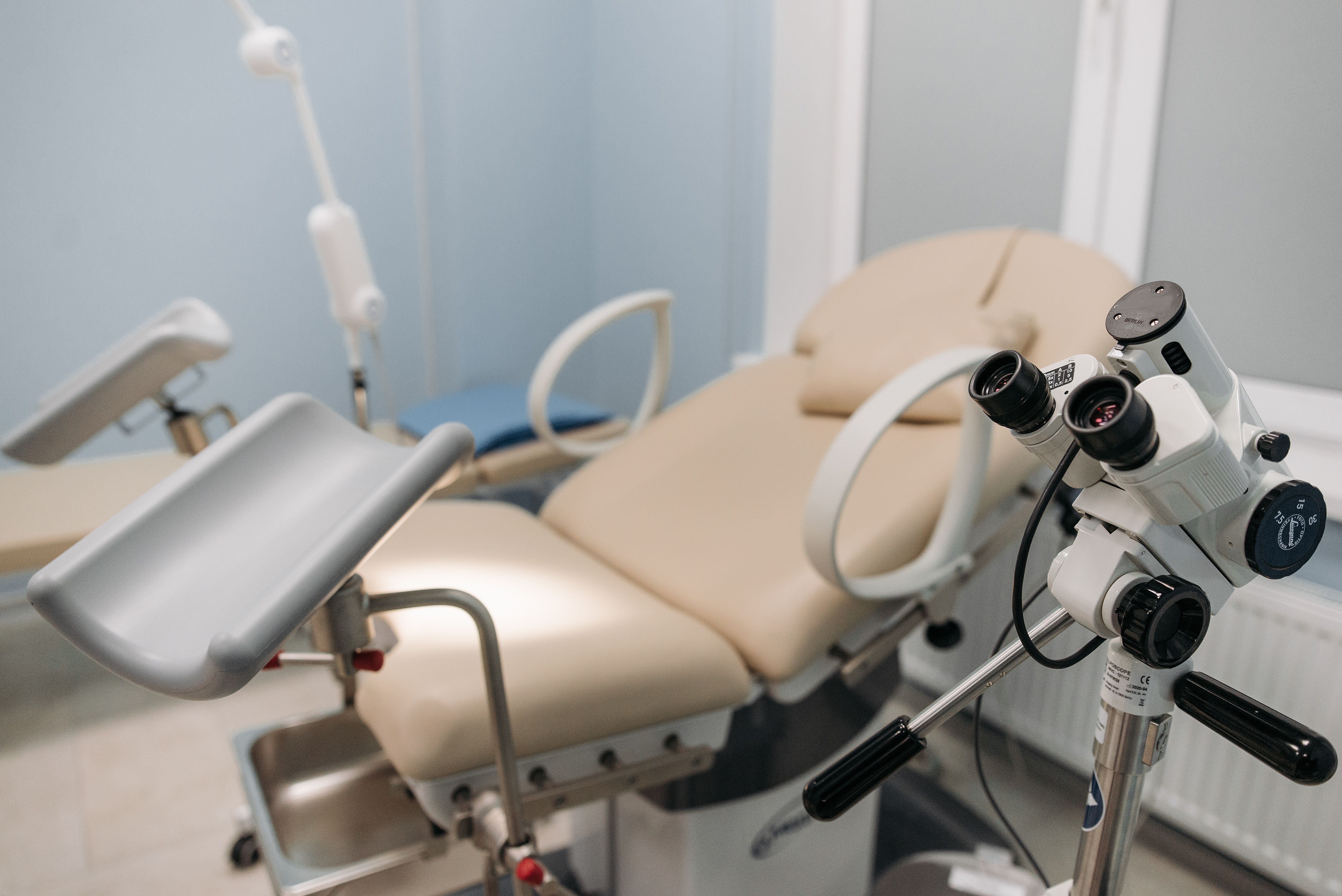
Hysteroscopy is a minimally invasive procedure that allows the inside of the uterus to be examined using a thin, lighted camera called a hysteroscope. It helps diagnose and treat a wide range of uterine conditions affecting menstrual health, fertility, and recurrent pregnancy loss - all without large incisions.
Diagnostic Hysteroscopy
Evaluating the Uterus with Precision
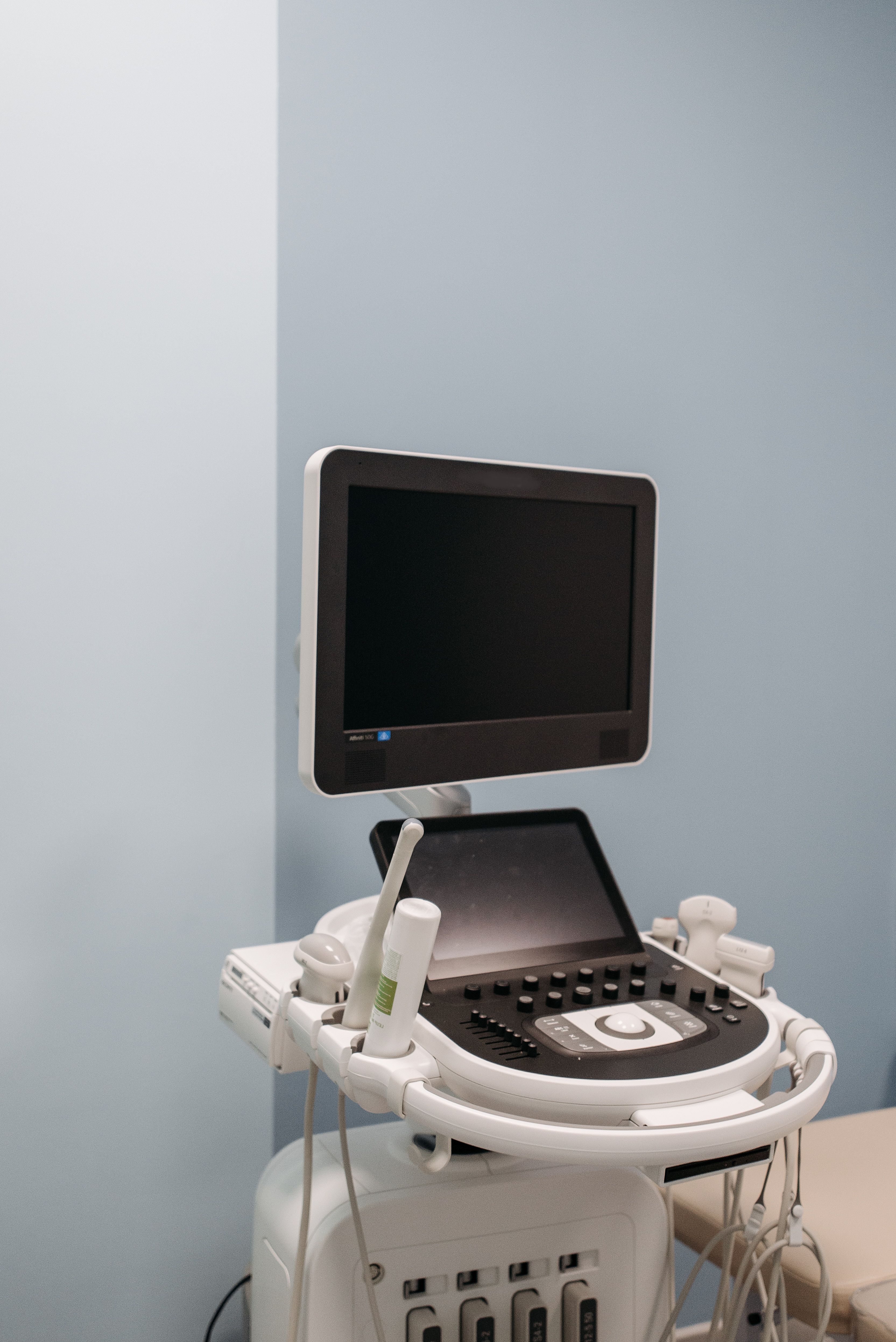
Diagnostic hysteroscopy allows Dr. Anushree to examine the inside of the uterus to identify conditions that may not be visible on routine scans. It is commonly recommended for abnormal bleeding, infertility, recurrent miscarriages, or unexplained menstrual problems.
Diagnostic Hysteroscopy May Be Recommended For
- Heavy or irregular periods
- Abnormal uterine bleeding
- Amenorrhoea (absence of periods)
- Infertility evaluation
- Recurrent pregnancy loss
Benefits
- Accurate diagnosis
- No large surgical incisions
- Day-care procedure in most cases
- Faster recovery
Hysteroscopic Polypectomy (Polyp Removal)
Safe Removal of Uterine Polyps
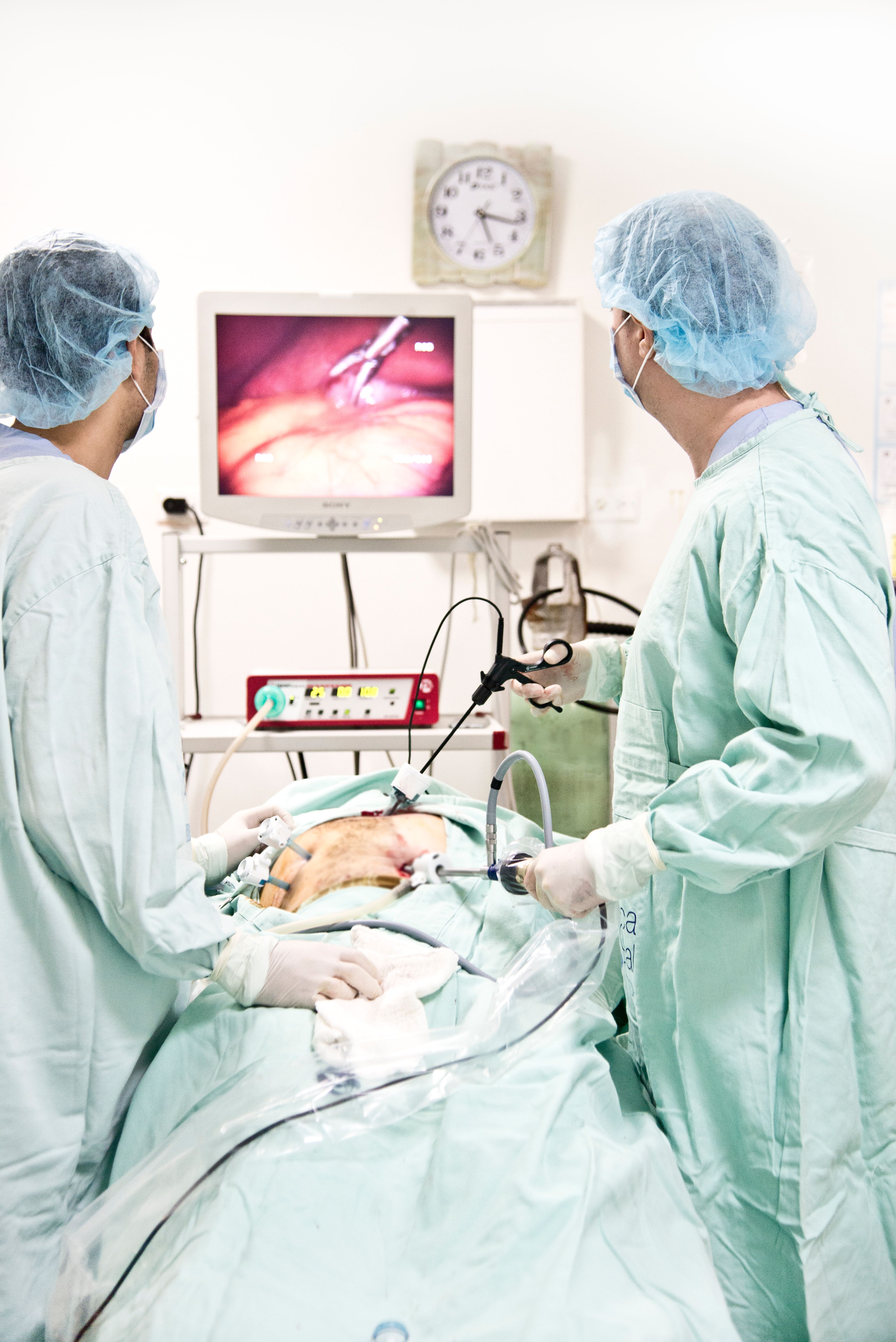
Uterine polyps are small growths inside the uterus that may cause abnormal bleeding or affect fertility. Hysteroscopic polypectomy allows these polyps to be removed safely without external incisions while preserving the uterus.
This Procedure May Be Recommended For
- Heavy menstrual bleeding
- Bleeding between periods
- Infertility
- Recurrent miscarriage
- Postmenopausal bleeding
Benefits
- Minimally invasive treatment
- Preserves the uterus
- Improves fertility outcomes
- Quick recovery
Submucous Fibroid Removal
Minimally Invasive Fibroid Treatment
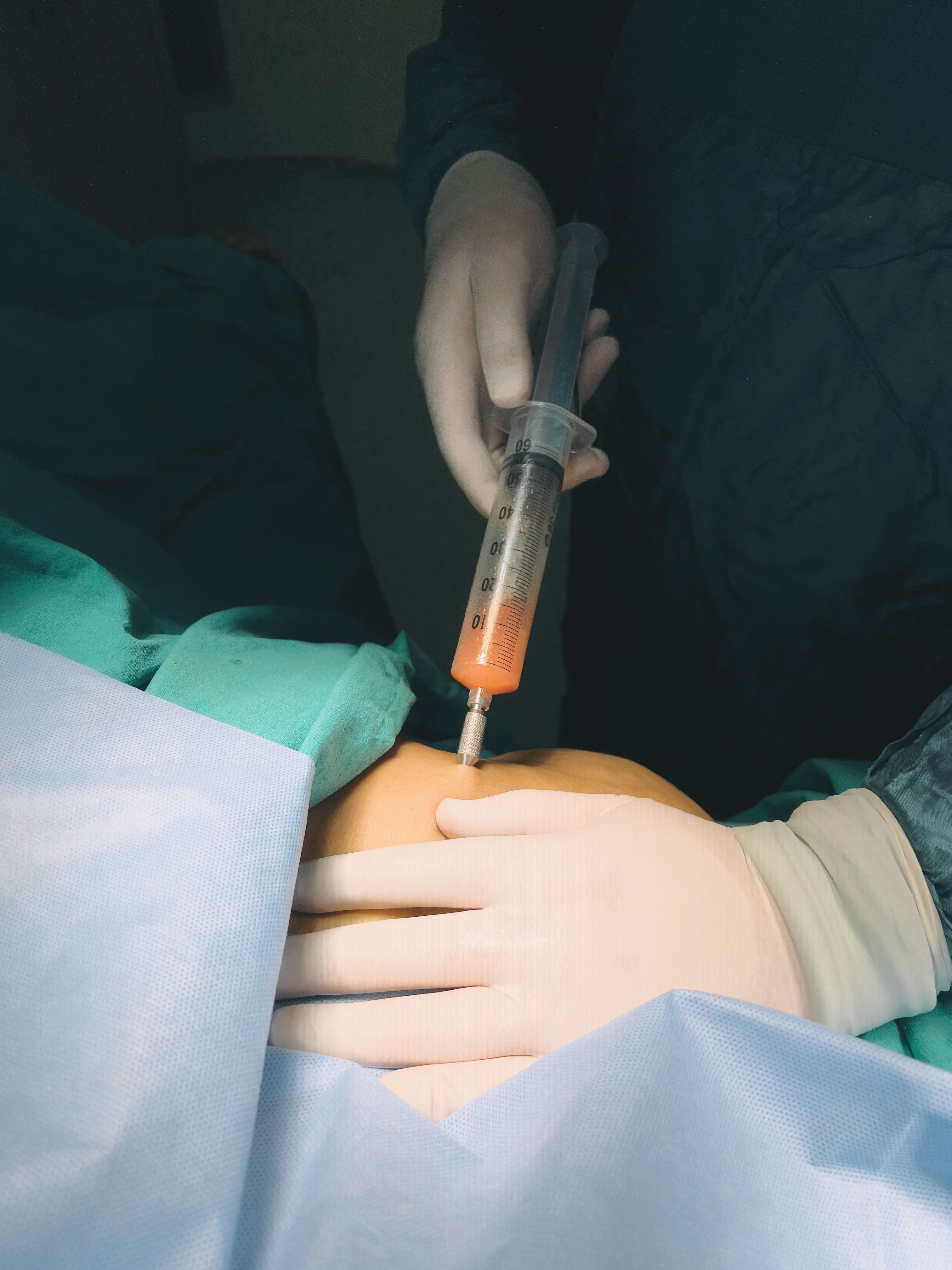
Submucous fibroids grow inside the uterine cavity and may lead to heavy bleeding, infertility, or recurrent pregnancy loss. Using hysteroscopy, these fibroids can be removed without external cuts, helping relieve symptoms while preserving the uterus.
This Procedure Can Help With
- Heavy menstrual bleeding
- Painful periods
- Difficulty conceiving
- Recurrent miscarriages
- Fibroids affecting the uterine cavity
Benefits
- Uterus-preserving procedure
- No external scars
- Faster recovery
- Improved fertility potential

Intrauterine Adhesion Treatment (Asherman Syndrome)
Restoring Uterine Health
Intrauterine adhesions, also known as Asherman Syndrome, occur when scar tissue forms inside the uterus. This may lead to absent periods, infertility, or recurrent miscarriages. Hysteroscopy allows scar tissue to be safely removed.
Treatment May Help Women With
- Absent or very light periods
- Infertility
- Recurrent miscarriages
- Uterine scarring after surgery or infection
Benefits
- Restores the uterine cavity
- Improves menstrual function
- Enhances fertility potential
- Minimally invasive approach
Uterine Septum Resection
Improving Pregnancy Outcomes
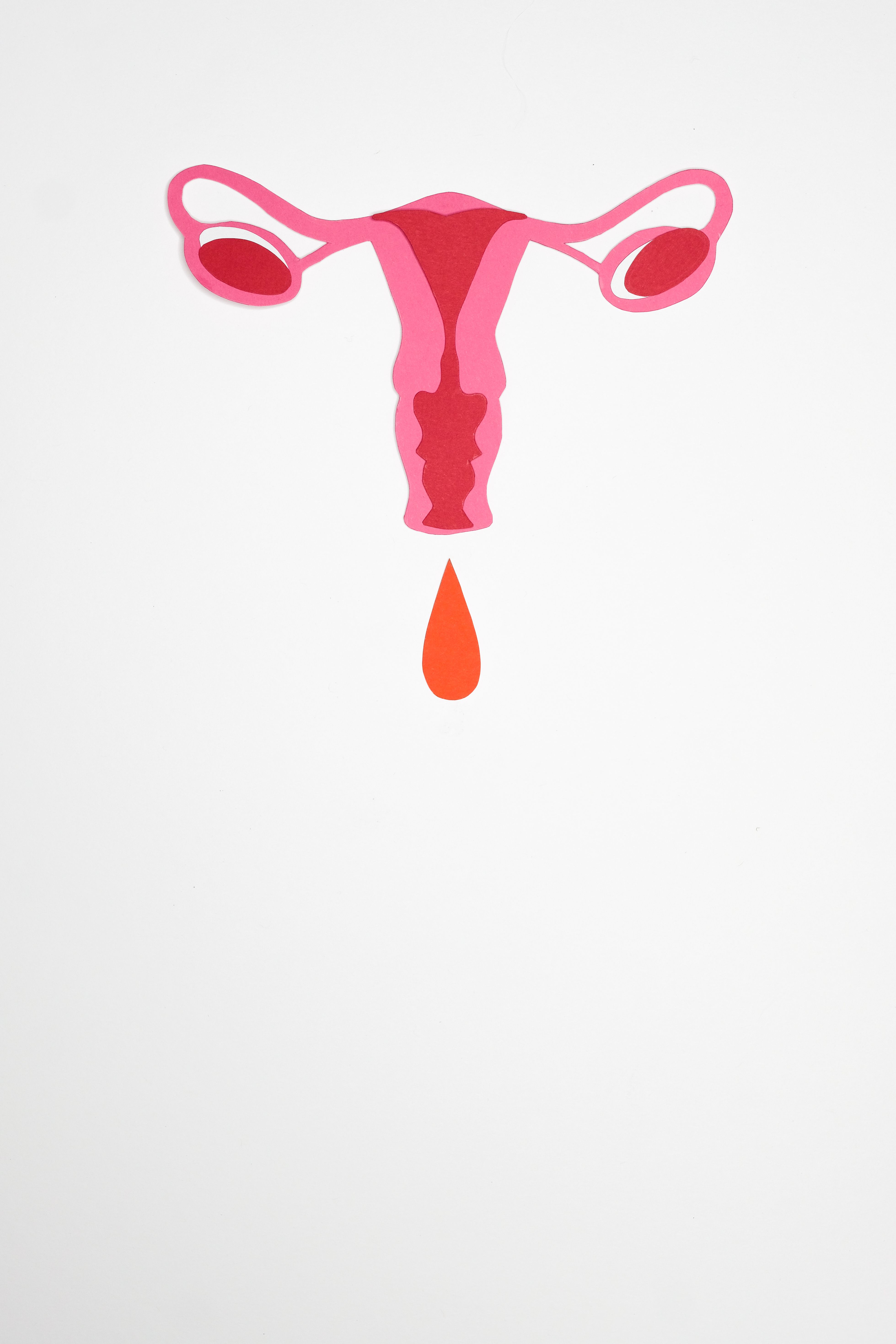
A uterine septum is a congenital condition where a wall of tissue divides the uterine cavity. It may increase the risk of miscarriage, infertility, or pregnancy complications. Hysteroscopic septum resection removes the septum and creates a normal uterine cavity.
This Procedure Is Recommended For
- Recurrent pregnancy loss
- Infertility
- Congenital uterine septum
- Poor pregnancy outcomes
Benefits
- Preserves the uterus
- Improves chances of successful pregnancy
- Minimally invasive procedure
- Short recovery period
Blocked Tube Opening (Cornual Cannulation)
Restoring Tubal Patency
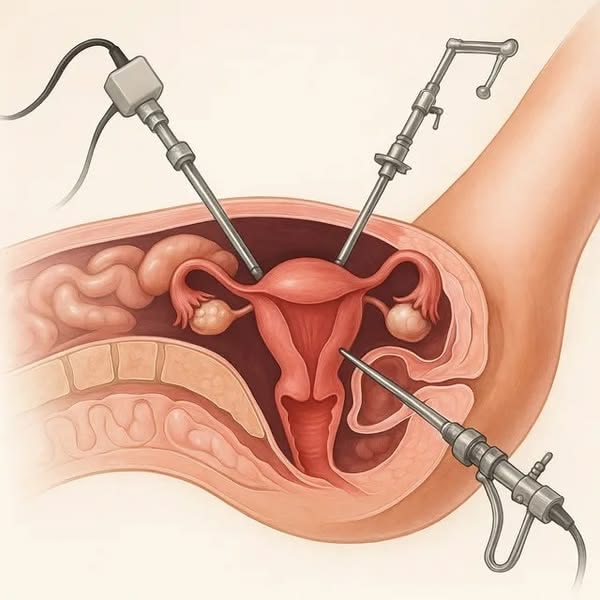
Cornual cannulation is a specialised hysteroscopic procedure used to open fallopian tubes that are blocked at the uterine end. Restoring tubal patency may improve the chances of natural conception in selected patients.
It May Be Recommended For
- Proximal fallopian tube blockage
- Certain infertility cases
- Women seeking fertility-preserving treatment
Benefits
- Minimally invasive treatment
- May improve natural conception
- Preserves reproductive organs
- Quick recovery
Displaced IUCD (Copper-T) Removal
Safe Removal of a Displaced IUCD
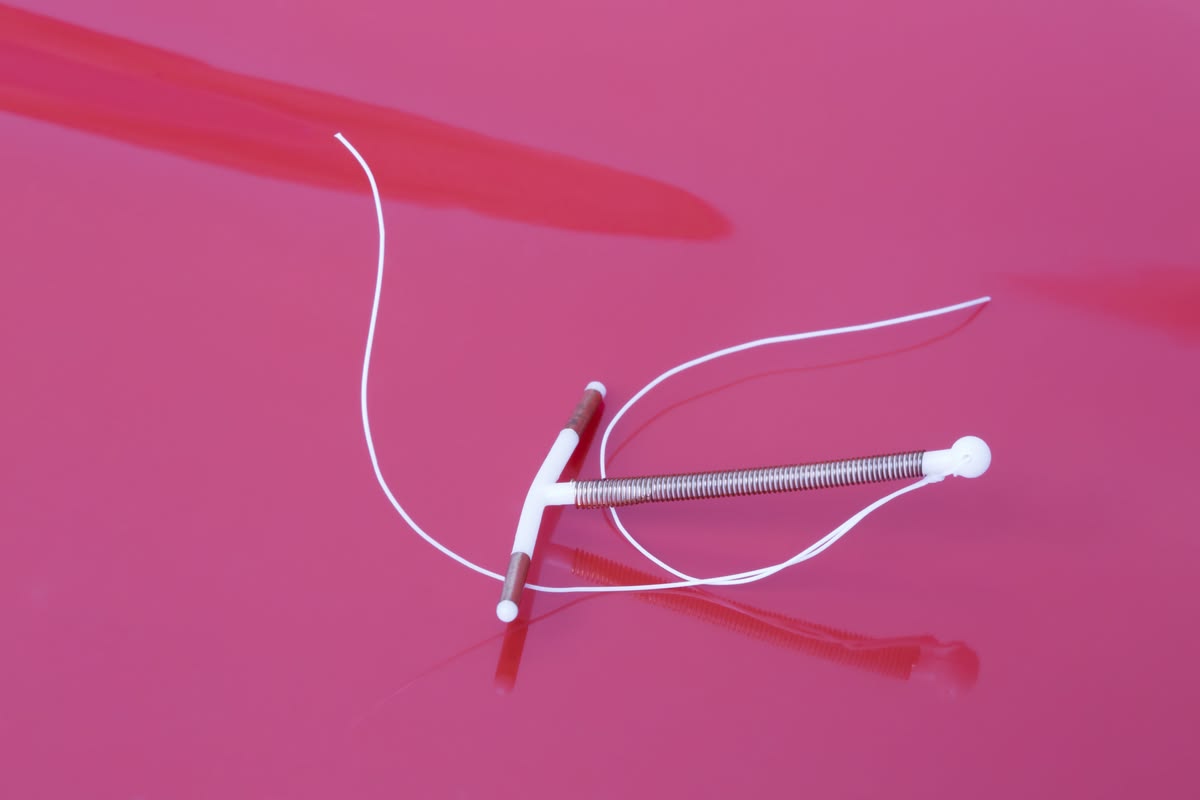
If an IUCD (Copper-T) has shifted from its normal position or cannot be removed easily, hysteroscopy allows it to be located and removed safely under direct vision. This approach minimises discomfort and avoids unnecessary surgery.
This Procedure Is Recommended For
- Missing IUCD threads
- Embedded Copper-T
- Displaced IUCD
- Difficult IUCD removal
Benefits
- Safe and precise removal
- Minimally invasive
- Reduced discomfort
- Day-care procedure
Endometrial Biopsy
Evaluating the Uterine Lining
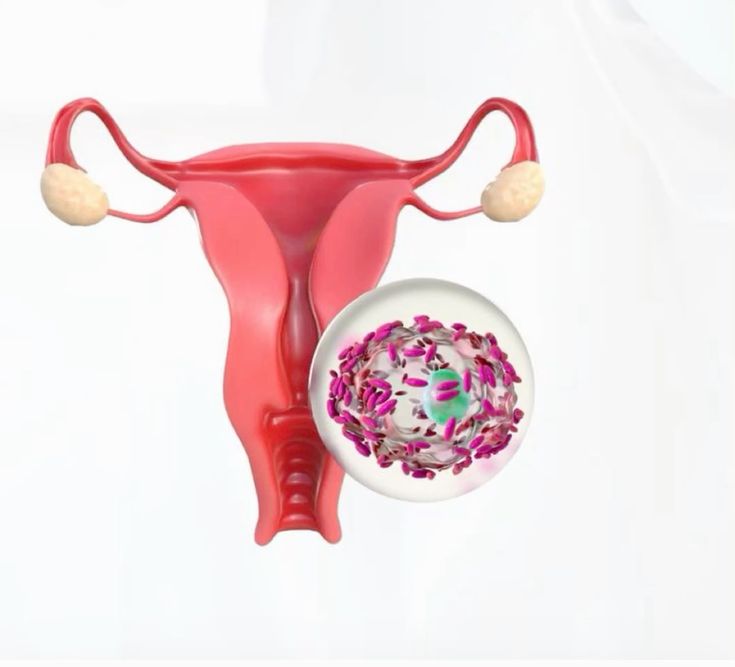
An endometrial biopsy involves collecting a small sample of the uterine lining for laboratory analysis. It helps diagnose the cause of abnormal uterine bleeding, postmenopausal bleeding, and other conditions affecting the endometrium.
An Endometrial Biopsy May Be Recommended For
- Abnormal uterine bleeding
- Postmenopausal bleeding
- Thickened endometrium
- Evaluation before certain treatments
Benefits
- Accurate diagnosis
- Early detection of uterine abnormalities
- Quick outpatient procedure
- Guides further treatment planning
Need guidance for hysteroscopy?
If you're experiencing abnormal uterine bleeding, infertility, recurrent pregnancy loss, or have been advised to undergo hysteroscopy, Dr. Anushree Pande offers expert, minimally invasive care.
Book Consultation